
Why rotating product stands work on a busy shop floor
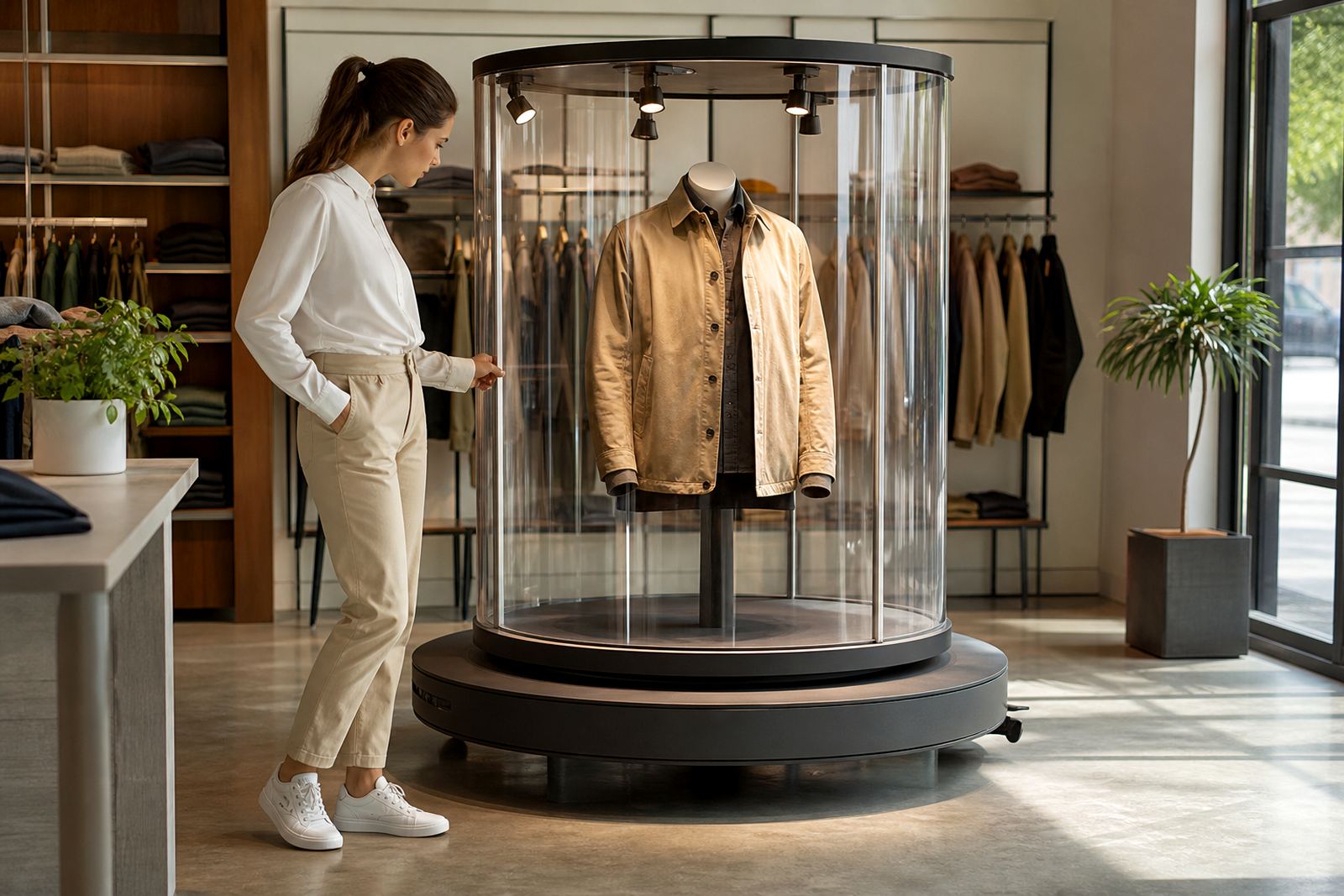
In retail, a product has only a few seconds to catch a customer before they move on. A rotating stand helps by showing the item from every side without needing staff to lift it, turn it around or open a box. That matters in stores where foot traffic is high and the aisle space is tight, from Midrand to Sandton and right through to Cape Town malls.
When a shopper can see the finish, shape, buttons, fittings or packaging details in one simple movement, they get a clearer picture of what they are buying. This reduces uncertainty and can make the product feel more complete and worth considering. For items with texture, assembly points or multiple colours, a 360 display gives a much better story than a flat shelf tag ever can.
There is also a practical side. If your team is busy with tills, stock checks and customer requests, a display that works on its own saves time. It keeps the product visible and helps the floor team focus on selling, not repeatedly handling merchandise.
Better product detail means fewer hesitations
Shoppers often hesitate when they cannot see enough. They may wonder whether the product is too large, whether the finish matches the picture, or whether the fittings are strong enough for daily use. A rotating display takes away some of that doubt by letting them inspect the product from all angles in a few seconds.
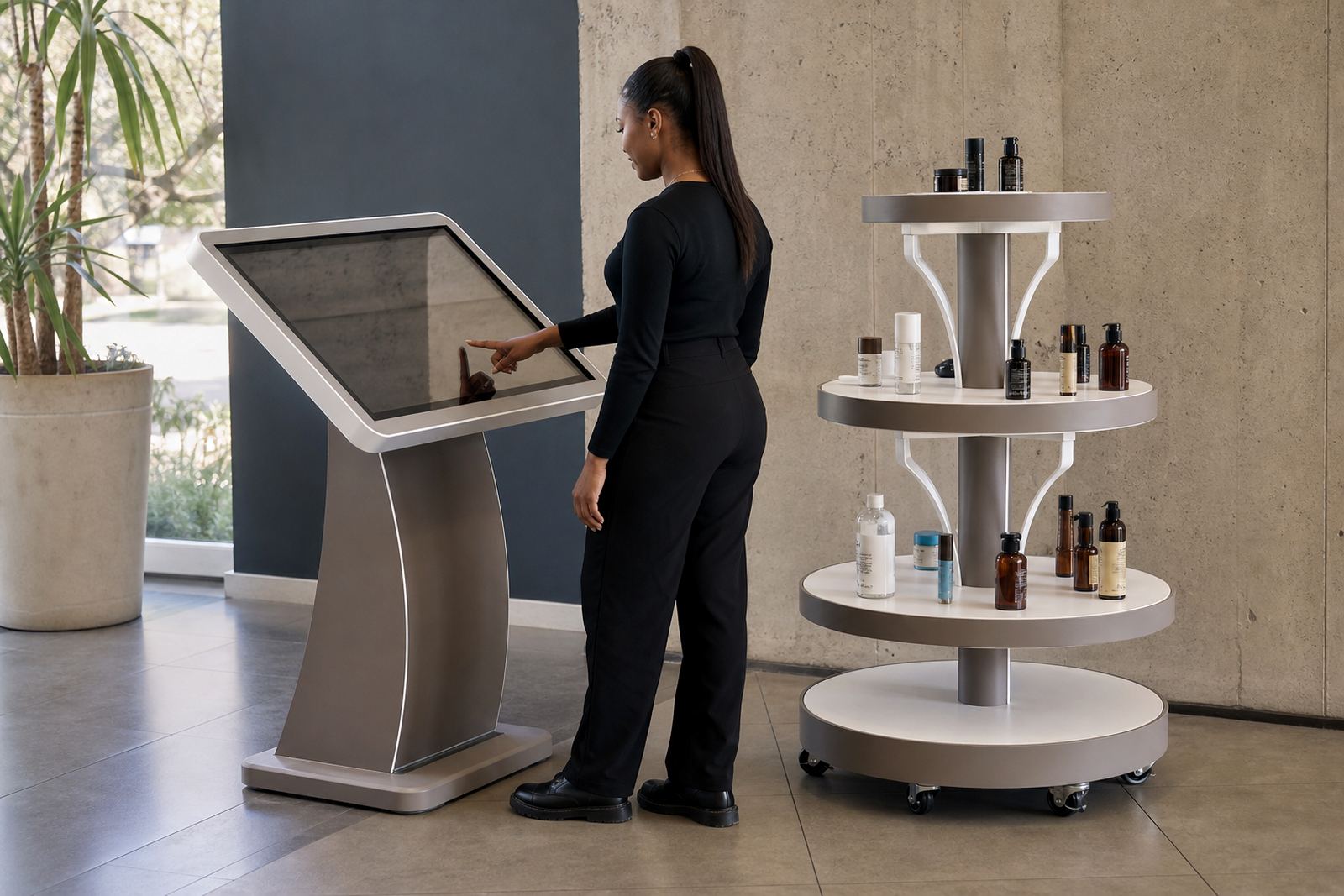
This is especially useful for items that are technical, decorative or premium. A customer looking at a small appliance, accessory, cosmetic unit or speciality retail item wants to see edges, texture and labels clearly. If the stand presents the item at a comfortable viewing height, it becomes easier for the customer to make up their mind there and then.
In stores where staff may not have time for long explanations, the stand becomes part of the sales process. It answers common questions before they are asked, which means fewer interruptions and better flow on the floor. That can be a real advantage during busy weekends or month end trading.
- Shows the item in a fuller and more honest way
- Makes size, shape and finish easier to judge
- Reduces back and forth questions for staff
- Supports quicker buying decisions
A strong fit for South African retail conditions
South African stores do not all face the same conditions. A mall store in Pretoria may deal with dry indoor air and constant foot traffic, while a coastal branch in Durban has to think about humidity, salty air and extra care around moving parts. A good 360 display needs to cope with real trading conditions, not just look neat on paper.
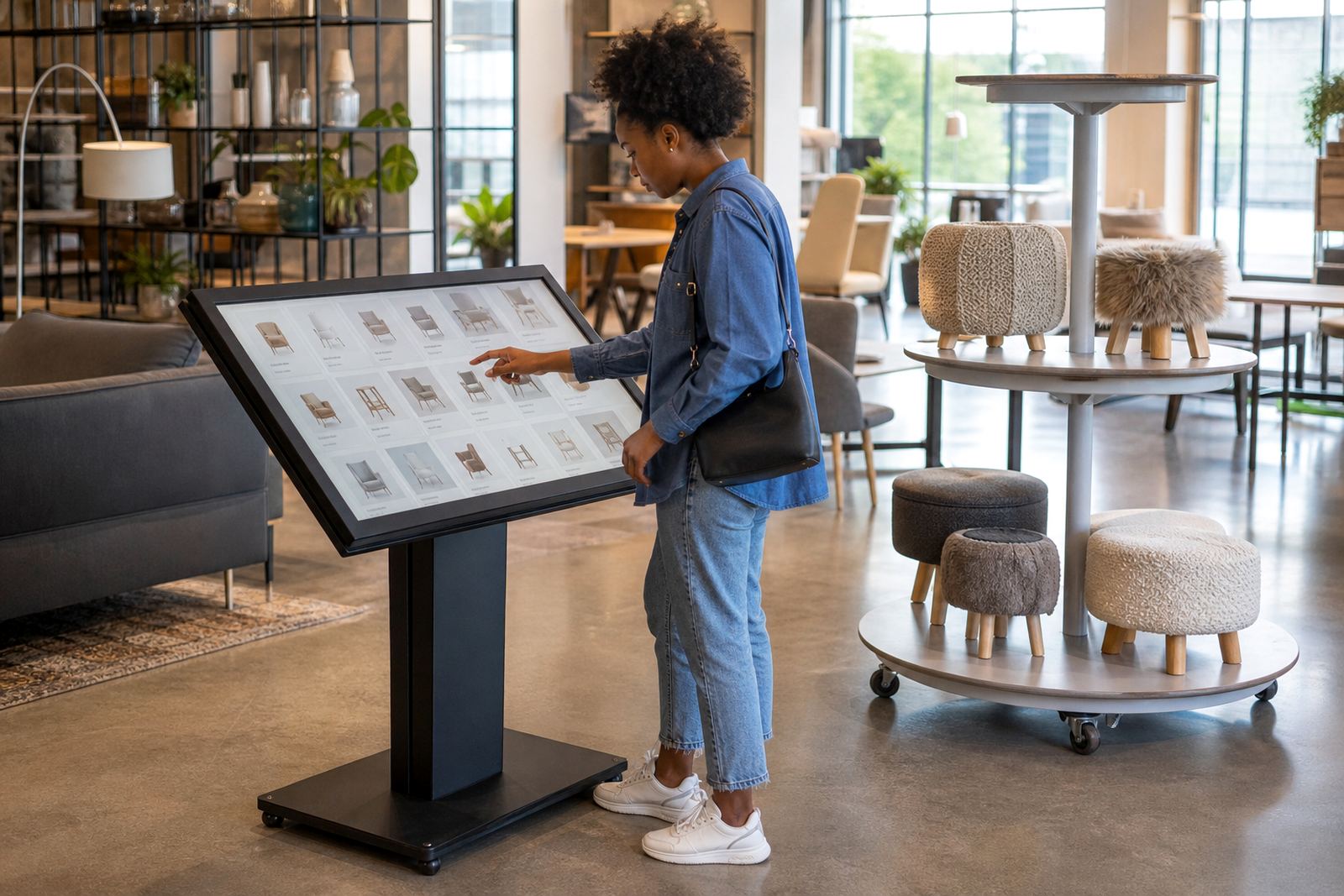
That is why retailers should look at stable construction, easy cleaning and reliable movement. If the stand is going to run for long hours, it must keep turning consistently even when load-shedding and power fluctuations are part of the routine. In some cases, the display may also need simple cable management or network connection for digital content, depending on what the retailer wants to show.
At iTouch 360, the focus is on practical fit for local stores. A solution for a jewellery counter in Johannesburg will not be exactly the same as a display for a lifestyle retailer in Bloemfontein, and that is the point. The right stand should suit the product, the space and the way the store actually trades.
What retailers gain beyond visual appeal
The most obvious benefit is visual impact, but the gains go further than that. A rotating stand can help create a more organised floor presentation, improve staff efficiency and support better use of limited display space. In a store where every square metre counts, one well-placed display can do the work of several flat-facing items.
Retailers also benefit from consistency. If the same display format is used across branches in Johannesburg, Pretoria, Cape Town, Durban and Bloemfontein, the customer experience feels more familiar. That helps when product lines are rolled out across multiple stores, because the team knows exactly how the item should be presented.
- Improves the look and feel of the display area
- Helps make better use of counter and floor space
- Creates a consistent presentation across branches
- Can support brand messaging when branding panels or graphics are added
A small but useful advantage is that rotating stands can keep customers engaged a little longer. That extra time often matters. If a shopper stays in front of a product for 20 or 30 seconds more, they are more likely to ask questions, compare models, or pick up the item for a closer look.
Choosing the right stand for your product mix
Not every item needs the same display approach. A lightweight accessory may work on a compact stand, while a larger product may need a more solid base and stronger movement control. Before choosing a display, retailers should think about product weight, size, turnover rate and where the unit will sit in the store.
Site assessments help a lot here. They show whether the floor space, power access and customer flow suit the display location. A stand placed too close to a busy queue can become a nuisance, while one set at eye level near a feature wall can do much better. If the store has security rules or municipal trading limits around floor placement, those should be checked too.
Useful questions to ask before ordering include:
- What product will be shown most often?
- Will the stand be used in one branch or rolled out across several stores?
- Does it need custom branding or content loading?
- Will staff need training on basic operation and care?
Getting these answers early saves time later and helps avoid a display that looks good but is hard to use day to day.
How to keep 360 displays working well over time
Any display with moving parts needs regular attention. Dust, fingerprints, product handling and daily wear can affect performance if the unit is not looked after. That is especially true in stores with high traffic or in areas where the air carries more dust, like some roadside centres around Gauteng.
Preventative servicing is worth planning from the start. It keeps the display turning smoothly, checks electrical connections and catches small faults before they become downtime. If the stand includes software or digital content, updates should also be managed properly so the material stays current and the unit behaves as expected.
For retailers, the main point is simple: a 360 display should support sales, not create extra work. With the right installation, training and support retainer in place, the stand can keep doing its job day after day, which is what matters on a busy sales floor. One small fault left alone can become a bigger issue fast, especially when the branch is working with limited backup stock.