
Slim format for busy retail floors
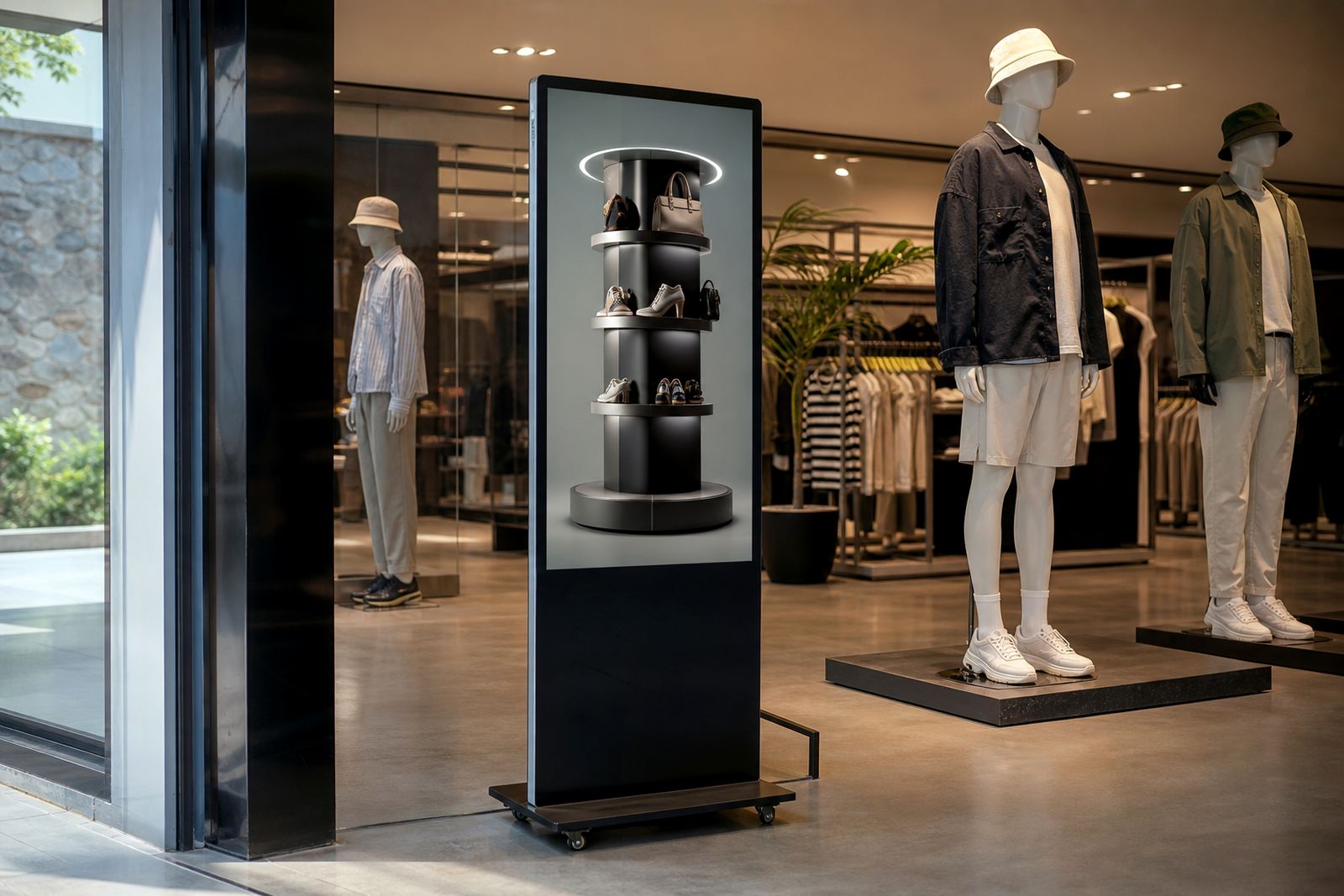
The freestanding LED poster is a vertical digital display that stands on its own and plays motion content in high traffic areas. It is used for product launches, special offers, queue messaging and wayfinding in stores where wall space is limited and gondola ends need to stay open for stock.
For South African retail, the main benefit is flexibility. You can move the unit between promotions, place it near entrances or till points, and update content without printing new posters every week. The screen is designed for indoor use and gives a clean, modern look in malls, showrooms and brand activation areas.
- Self-standing format with a narrow footprint
- Suitable for indoor promotional zones
- Supports still images, video and motion graphics
- Useful for price point messaging and seasonal campaigns
Sizes, screen options and finish choices
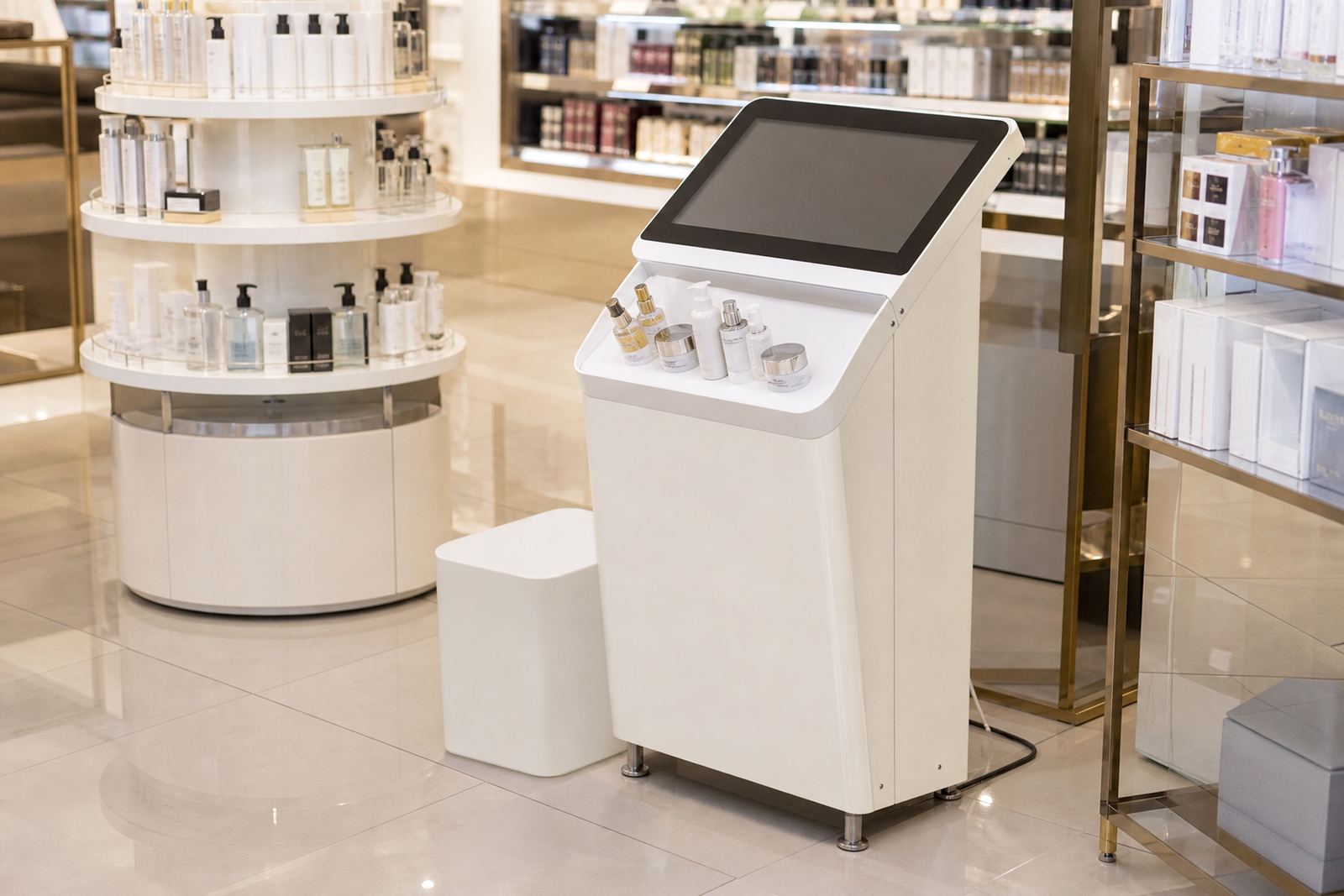
Common units are supplied in portrait format, with screen sizes typically ranging from 43 inches to 75 inches depending on the store layout and viewing distance. Smaller units work well in cosmetics, electronics and service counters, while larger screens suit entrances, automotive showrooms and apparel floors where shoppers need to see messages from further back.
Most buyers choose a single-sided unit, though some locations use double-sided visibility in open walkways. Frames can be finished in black or neutral tones to suit store interiors and the base is made to stay stable on level flooring. If your site has polished tile, vinyl or sealed concrete, the feet or base plate can be matched to the floor condition so the unit sits properly.
- Portrait orientation for poster-style content
- Typical sizes: 43, 49, 55, 65 and 75 inches
- Single-sided or double-sided viewing where required
- Indoor-grade frame with stable base design
Where it suits best in South African retail
This product suits stores that need to catch attention without blocking movement. It is often placed near front of store promotions, aisle ends, seasonal displays, electronics counters and pop-up activations in malls from Johannesburg to Cape Town. In Durban and other coastal areas, the unit is also useful where printed material can lift or fade faster in humid conditions, because the content stays on screen and does not curl or tear.
It is also a practical fit for stores that change pricing often. If you run a campaign around weekend specials, loyalty offers or supplier promotions, the screen can be updated quickly. That helps when stock moves fast and you cannot afford out-of-date signage hanging around for days.
- Retail entrances and front-of-store promo bays
- Electronics, beauty, fashion and homeware floors
- Shopping centre activations and short-term campaigns
- Queue areas where shoppers wait and read signage
Installation, power and network requirements
Installation is straightforward but it still needs proper planning. The unit should stand on a level floor with enough space for air flow around the screen and access for cleaning and servicing. In most stores it is placed close to a standard 230V mains supply, and no gas connection is required. A dedicated plug point is best, especially where load-shedding backup systems are already in place.
If the content is being updated over a network, the site may need Wi-Fi or a wired connection depending on how the screens are managed. For stores in busy centres or multi-branch groups, it helps to confirm where the router sits, whether the signal reaches the display point and whether the power feed is protected against surges. A site check saves trouble later when the first campaign goes live.
- Requires level flooring and clear access for the base
- Standard mains power, no gas needed
- Network connection can be wired or wireless
- Surge protection is recommended for South African conditions
Care, servicing and long term use
Like any indoor screen, the freestanding LED poster lasts longer with basic care. The front panel should be cleaned with a soft, dry or lightly damp microfibre cloth, and the vents must stay free of dust. Store staff should not spray liquid directly onto the screen and should avoid moving the unit while cables are connected.
Preventative servicing helps keep brightness, connectors and playback hardware in good order. This matters in stores that run long trading hours, especially where units are switched on most days of the week. If the screen is used in a shopping centre, check that it is not placed where trolleys, cleaning machines or stock cages can knock it during trade.
- Wipe with a soft cloth only
- Keep vents clear of dust build-up
- Inspect power leads and plugs regularly
- Book servicing before peak trading periods
What to confirm before placing an order
Before ordering, measure the available floor space, ceiling height and viewing distance. It also helps to know whether the unit will stand on carpet, tile or sealed concrete, because that affects the base choice and stability. If the store has uneven flooring or a narrow walkway, say so early so the layout can be checked against safety and access needs.
You should also confirm content format, screen size, power point position and whether the unit will need content loading, network integration or staff training. If multiple branches are involved, it is worth listing each site separately so delivery and installation can be planned for Johannesburg, Pretoria, Cape Town, Durban or Bloemfontein without delays. A proper brief reduces site issues and keeps the rollout tidy.
- Available space and walking clearance
- Screen size and portrait viewing height
- Power point position and backup power setup
- Content management and training needs
Key facts
| Product type | Freestanding LED poster display |
|---|---|
| Orientation | Portrait |
| Typical sizes | 43, 49, 55, 65 and 75 inches |
| Power supply | 230V mains power |
| Use case | Indoor retail promotions and product messaging |
| Service options | Installation, content loading, support and servicing |