
The Brief From A Busy Bloemfontein Floor
The store serves high foot traffic, strong weekend trade and long trading hours, so the team wanted clearer navigation without adding clutter to the aisles. The main goal was simple: help shoppers find departments faster, direct them to current offers and keep the floor plan easy to manage during price changes and display swaps.
The client also wanted a solution that could handle daily use in a retail environment where trolleys, spillages and constant customer contact are part of normal trading. Because Bloemfontein can swing from dry winter air to dusty summer conditions, the equipment needed easy-clean surfaces and reliable hardware that would not become a maintenance burden.
- Improve wayfinding for first-time visitors and regular shoppers
- Promote special offers at high-traffic points
- Keep displays readable from a distance
- Minimise disruption during trading hours
Store Constraints And Site Conditions
The installation had to work around a live retail operation with narrow access times for offloading and limited tolerance for noise during trading. We also had to plan around existing ceiling lines, power points and data routes already in use by other store systems. That meant careful positioning, measured cable runs and a tidy finish that would not interfere with merchandising teams.
Because the site sits in a high-use retail zone, we specified hardware suited to everyday handling and cleaning. We also accounted for load-shedding by configuring the units for safe restart behaviour after outages, with settings that could come back online without staff having to rebuild the system each time. It saved the floor team time and reduced pressure on the support counter during busy periods.
- Working around trading hours and limited install windows
- Routing power and data without blocking walkways
- Planning for power interruptions and quick recovery
- Using durable screens and mounts for daily retail use
What We Supplied For The Department Store
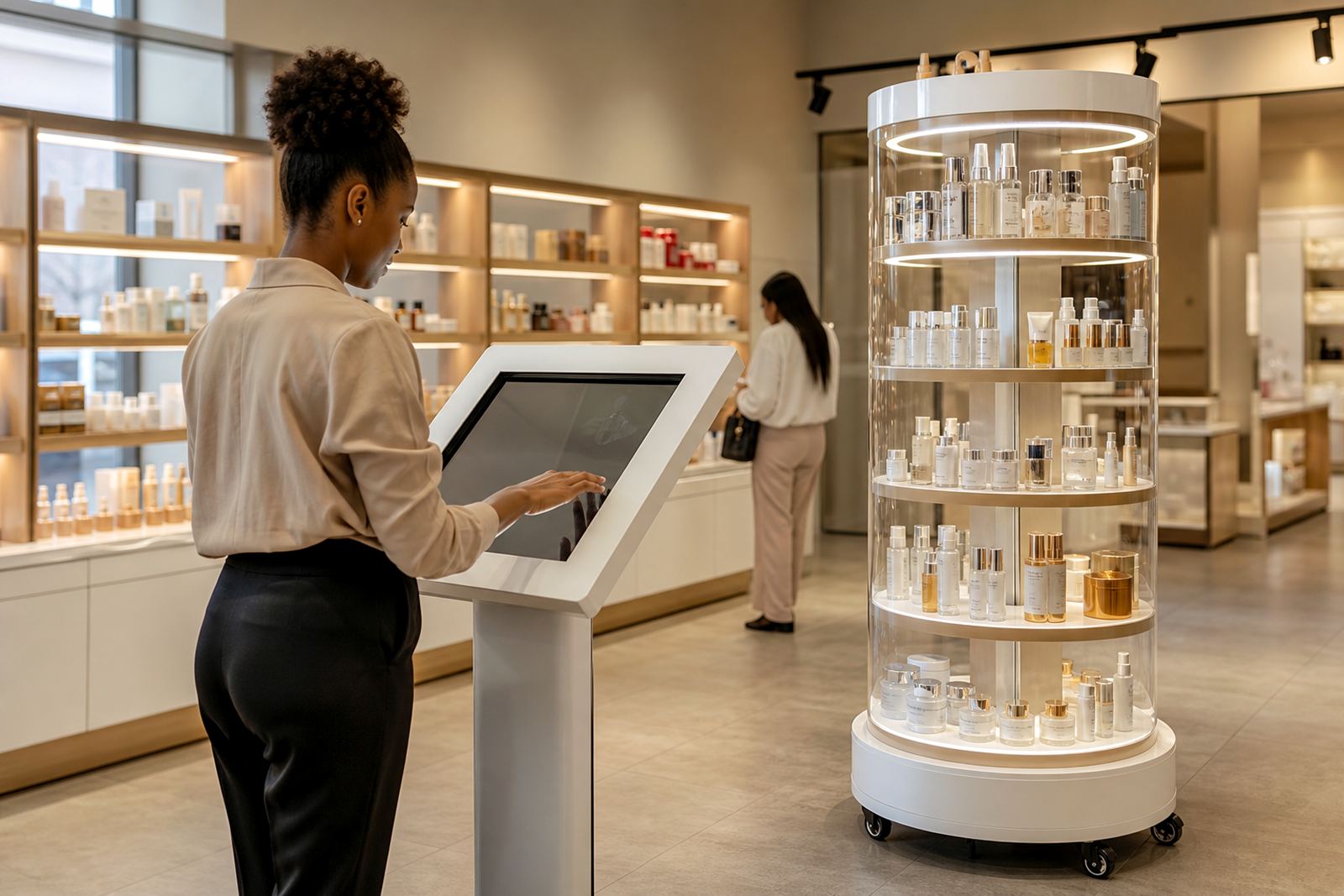
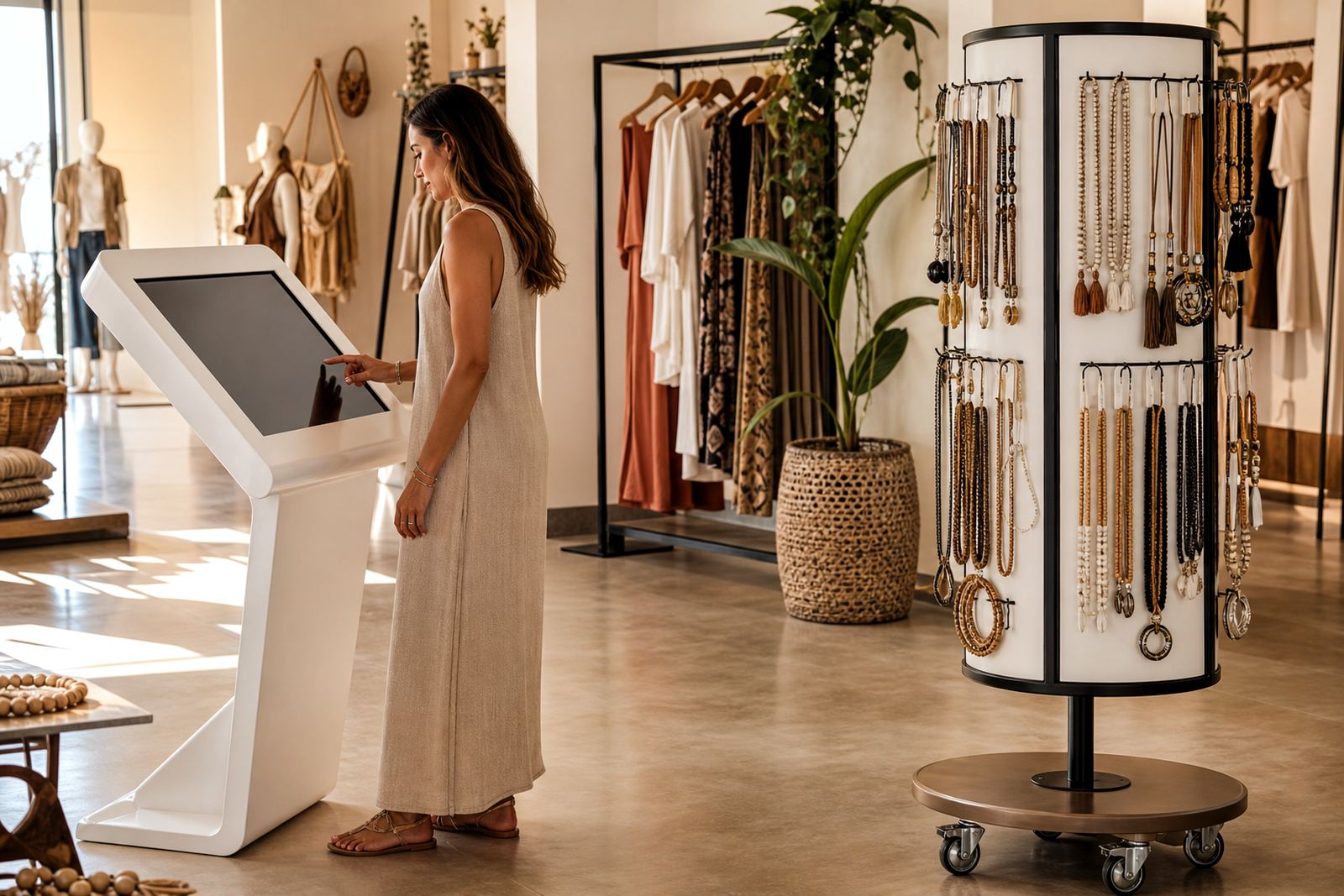
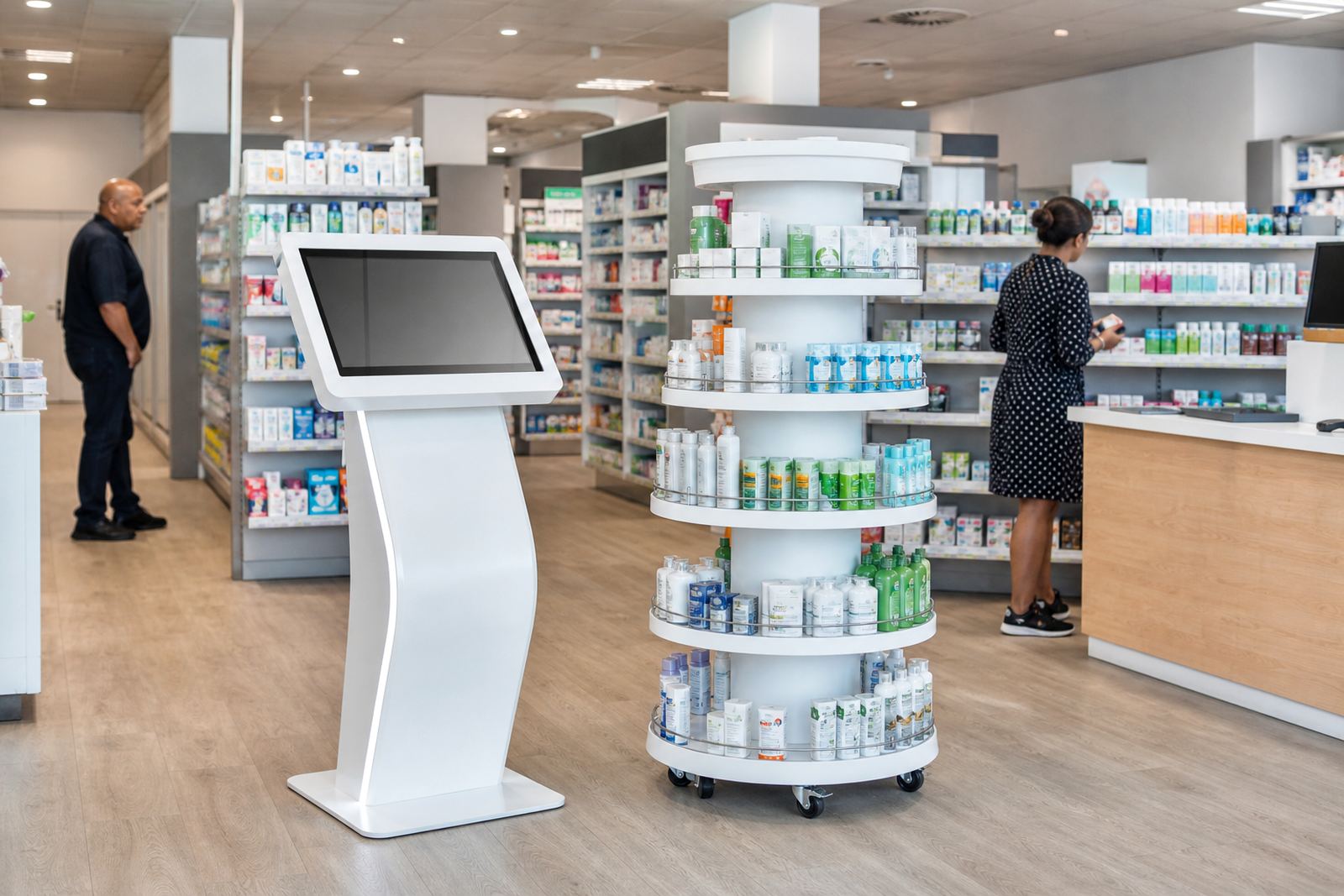
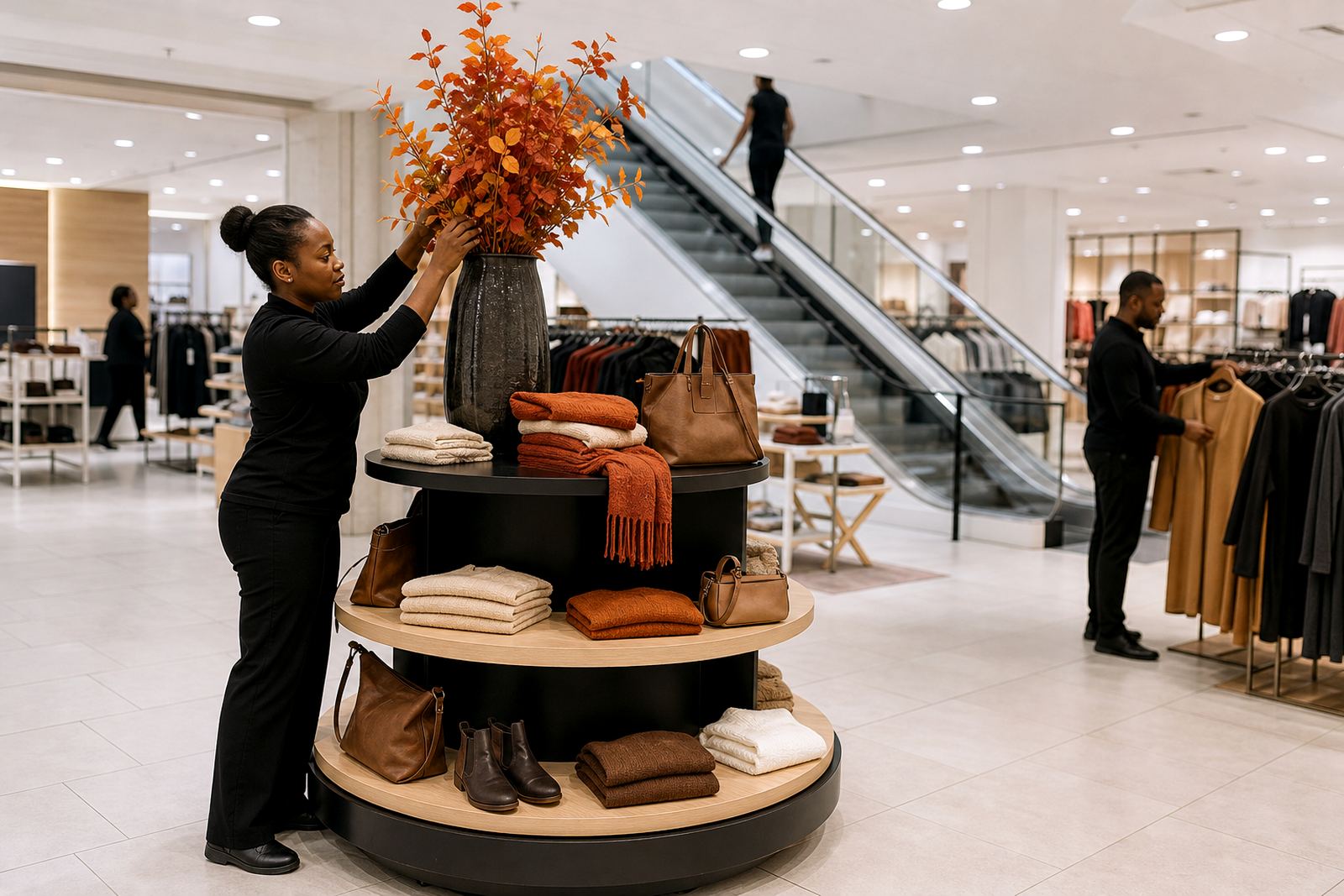
The final solution combined interactive wayfinding kiosks with promotional endcap units placed at decision points through the store. The kiosks were used to help shoppers locate departments, while the endcaps carried product stories, seasonal messaging and price-led promotions. The result was a better flow from entrance to aisle, with less dependence on staff for basic directions.
Each unit was specified to be practical in a retail setting, with commercial-grade screens, secure enclosure work and simple front-of-house operation. Content was loaded in a format the client could update with minimal fuss, and we configured the system so their internal team could change promotions without touching the hardware setup. The fittings were neat, stable and suited to a store environment that needed both function and a clean visual finish.
- Interactive touchscreen kiosks for store navigation
- Promotional endcap units for high-visibility product placement
- Commercial-grade displays with protective enclosures
- Custom content setup for departments, offers and store maps
- Secure mounting and clean cable management
Timeline From Survey To Handover
The project ran over four weeks from site assessment to handover. Week one covered the store walk-through, measurements and placement planning. Week two focused on solution design, content structure and confirming the installation sequence with the store management team. Week three covered delivery, assembly and system configuration, and week four was reserved for testing, staff training and final adjustments.
This approach worked well because it kept the store informed at every stage and avoided last-minute changes on the shop floor. It also gave us enough time to test screen visibility under the store lighting, check touch responsiveness and confirm that the endcaps could be used by the merchandising team without extra steps or special tools.
- Week 1: site assessment and measurements
- Week 2: layout planning and content structure
- Week 3: delivery, installation and configuration
- Week 4: testing, training and handover
Results On The Shop Floor
Once the kiosks and endcaps were live, shoppers spent less time asking for directions and more time moving directly to the right departments. The store team reported better visibility for promotions, especially around fast-moving categories where clear placement matters. It also became easier to run changes for new campaigns because the display areas were already set up for quick updates.
The biggest change was practical rather than flashy. The floor felt easier to read, staff were interrupted less often and customers had a clearer path through the store. In a department store, that can make a real difference to basket size and dwell time, especially when the layout is busy and the promotions shift often.
- Better customer navigation through the store
- Stronger visibility for seasonal and promotional stock
- Less pressure on floor staff for directions
- Faster changes for future campaign updates
What We Would Repeat On A Similar Project
If we were doing the same type of installation again, we would keep the same focus on traffic flow first and content second. A good retail display has to answer the customer’s question quickly, where am I, what is on offer, and where do I go next. That thinking shaped the Bloemfontein install and it is the main reason the result held up well in daily use.
We would also repeat the same rollout method: assess the floor, confirm power and data routes early, and train the store team before handover. That way the client is not left guessing after install day. The work stays manageable, the displays stay useful and the store gets a system that supports trading instead of getting in the way.
- Plan the floor flow before choosing screen positions
- Confirm power and data early in the process
- Train staff before go-live
- Keep content updates simple for store teams
Key facts
| Project type | Department store wayfinding and promotional retail display installation |
|---|---|
| Town | Bloemfontein, Free State |
| Timeline | 4 weeks from assessment to handover |
| Core equipment | Interactive touchscreen kiosks and promotional endcap units |
| Use case | Navigation, promotions and customer guidance |
| Support | Content loading, configuration, training and aftercare |